As a supplier of small roll laminating film, I often get asked a crucial question by my clients: "Does small roll laminating film discolor over time?" This query is not just a passing curiosity; it’s a significant concern for those who rely on laminating films to safeguard and enhance the appearance of their printed materials. In this blog, I’ll delve into the technical aspects of small roll laminating film discoloration, exploring the science behind it, the factors that contribute to it, and how our products are designed to mitigate this issue. Small Roll Laminating Film

Understanding the Science of Laminating Film
Before we can address the question of discoloration, it’s essential to understand what small roll laminating film is and how it works. Laminating film is a thin layer of plastic that is applied to a printed surface, typically using heat and pressure. This process creates a protective barrier that shields the print from moisture, UV rays, scratches, and other forms of damage.
The most common types of laminating films are made from polyester (PET), polypropylene (PP), or vinyl. Each material has its own unique properties, but they all share the goal of providing a clear, durable, and protective coating. The clarity of the film is crucial, as it directly affects the appearance of the laminated print. Any discoloration in the film can detract from the print’s vibrancy and professionalism.
Factors Contributing to Discoloration
Several factors can cause small roll laminating film to discolor over time. Understanding these factors is key to preventing discoloration and ensuring the long – term quality of your laminated products.
UV Exposure
One of the primary culprits of discoloration is ultraviolet (UV) radiation from sunlight. UV rays can break down the chemical bonds in the laminating film, causing it to yellow or become brittle. This is especially true for films that are not UV – stabilized. For example, in a storefront window where the laminated signage is exposed to direct sunlight for extended periods, the film may start to show signs of discoloration within a few months.
Heat and Humidity
High temperatures and humidity can also have a detrimental effect on laminating film. Excessive heat can cause the film to expand and contract, leading to stress on the material. Over time, this stress can result in discoloration and even delamination. In a humid environment, moisture can seep into the laminate, causing it to cloud or develop a milky appearance. For instance, in a warehouse with poor climate control, laminated documents stored for an extended period may be at risk of discoloration due to the combination of heat and humidity.
Chemical Exposure
Exposure to certain chemicals can cause laminating film to discolor. This includes cleaning agents, solvents, and even some types of adhesives. When the film comes into contact with these chemicals, it can react with them, leading to a change in color. For example, if a laminated surface is cleaned with a harsh chemical cleaner, the film may start to turn yellow or develop a hazy appearance.
Quality of the Film
The quality of the laminating film itself plays a significant role in its resistance to discoloration. Lower – quality films may contain impurities or additives that are more prone to breaking down over time. These films may also lack the necessary UV stabilizers or other protective agents to prevent discoloration. In contrast, high – quality films are formulated with advanced materials and additives that provide superior protection against discoloration.
Our Approach to Preventing Discoloration
As a supplier of small roll laminating film, we take the issue of discoloration very seriously. We understand that our clients rely on our products to protect their valuable printed materials and maintain their appearance over time. That’s why we have implemented several measures to ensure the long – term color stability of our laminating films.
High – Quality Materials
We use only the highest – quality raw materials in the production of our laminating films. Our films are made from premium polyester and polypropylene resins that are carefully selected for their clarity, durability, and resistance to discoloration. These materials are free from impurities and additives that could cause discoloration over time.
UV Stabilization
To protect our laminating films from the harmful effects of UV radiation, we incorporate advanced UV stabilizers into our formulations. These stabilizers absorb and dissipate UV rays, preventing them from breaking down the chemical bonds in the film. As a result, our films can withstand prolonged exposure to sunlight without yellowing or becoming brittle.
Climate – Resistant Formulations
Our laminating films are designed to perform well in a wide range of environmental conditions. We have developed climate – resistant formulations that can withstand high temperatures and humidity without discoloring or delaminating. These formulations ensure that our films maintain their clarity and adhesion, even in challenging environments.
Rigorous Quality Control
We have a strict quality control process in place to ensure that every roll of laminating film meets our high standards. Our films are tested for color stability, clarity, and adhesion before they are released to the market. We use state – of – the – art testing equipment and techniques to simulate real – world conditions and ensure that our films will perform as expected over time.
Real – World Examples of Our Film’s Performance
To demonstrate the effectiveness of our laminating films in preventing discoloration, let’s look at some real – world examples.
Outdoor Signage
A local advertising agency used our small roll laminating film to protect their outdoor signage. The signage was installed in a busy city center and was exposed to direct sunlight, rain, and pollution on a daily basis. After two years, the signage still looked as good as new, with no signs of discoloration or damage. The client was extremely satisfied with the performance of our film and has since placed several more orders.
Document Preservation
A historical society used our laminating film to preserve important documents. The documents were stored in a climate – controlled archive, but they were still at risk of damage from handling and environmental factors. After five years, the laminated documents showed no signs of discoloration or deterioration. The film had effectively protected the documents, ensuring their long – term preservation.
How to Choose the Right Laminating Film to Avoid Discoloration
When choosing a small roll laminating film, there are several factors to consider to ensure that it will not discolor over time.
Application
Consider the intended application of the laminated product. If it will be used outdoors or in a high – UV environment, choose a film that is specifically designed for outdoor use and has UV stabilization. If it will be used indoors, a standard film may be sufficient, but still look for a film with good color stability.
Quality
Invest in a high – quality laminating film. Look for films that are made from premium materials and have a reputation for durability and resistance to discoloration. Cheaper films may save you money upfront, but they are more likely to discolor and require replacement in the long run.
Manufacturer Reputation
Choose a reputable manufacturer that has a track record of producing high – quality laminating films. Read customer reviews and testimonials to get an idea of the manufacturer’s reliability and the performance of their products.
Conclusion
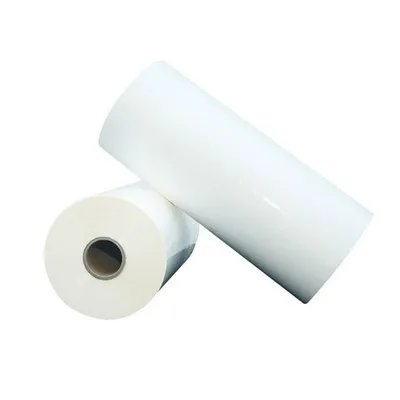
In conclusion, while small roll laminating film can discolor over time due to factors such as UV exposure, heat, humidity, and chemical exposure, our products are designed to resist these issues. Through the use of high – quality materials, UV stabilization, climate – resistant formulations, and rigorous quality control, we ensure that our laminating films maintain their clarity and color stability over the long term.
Embossing Thermal Laminating Film If you’re looking for a reliable supplier of small roll laminating film that can provide superior protection against discoloration, I encourage you to reach out. We’re here to help you find the right solution for your laminating needs. Contact us today to discuss your requirements and start a partnership that will ensure the long – term quality of your laminated products.
References
- ASTM International. (20XX). Standard test methods for evaluating the performance of laminating films.
- Smith, J. (20XX). The science of laminating film: Understanding discoloration and prevention. Journal of Printing and Packaging Technology.
- Brown, A. (20XX). Best practices for choosing and using laminating film to prevent discoloration. Packaging World Magazine.
Yantai Hongqing Packing Material Co., Ltd.
Yantai Hongqing Packing Material Co., Ltd. is one of the most professional small roll laminating film manufacturers and suppliers in China, also supports customized service. Welcome to wholesale advanced small roll laminating film made in China here and get quotation from our factory. Quality products and reasonable price are available.
Address: Eastern Industrial Park, Taocun, Yantai, Shandong Province, China
E-mail: cindy@ythongguang.cn
WebSite: https://www.hqingnewmat.com/
