As a supplier of port machinery, safety is always at the forefront of our minds. The operation of port machinery involves various risks due to the heavy – duty nature of the equipment, the large working area in ports, and the complexity of the operations. In this blog, I will share some essential safety measures for operating port machinery. Port Machinery

Pre – operation Safety Checks
Before starting any port machinery, a comprehensive pre – operation safety check is a must. This step is crucial as it can help identify potential issues that could lead to accidents during operation.
Inspecting the physical condition of the machinery is the first task. Check for any visible damage to the main structure, such as cracks, dents, or loose parts. For example, in the case of a gantry crane, examine the crane’s beams and columns for signs of corrosion or structural weakness. A small crack, if left undetected, could expand under the stress of heavy lifting and eventually cause the crane to collapse.
The mechanical components also require thorough inspection. This includes checking the gears, bearings, and chains. Gears should be properly meshed and free from excessive wear. Bearings need to be lubricated and show no signs of overheating or abnormal noise. Chains should be tight and their links in good condition. For instance, in a forklift, a worn – out chain on the mast can lead to instability when lifting heavy loads and may cause the load to fall.
Electrical systems are another critical area. Inspect all electrical connections to ensure they are tight and free from corrosion. Check the wiring for any signs of fraying or damage. Defective electrical systems can not only cause the machinery to malfunction but also pose a significant fire or electric shock hazard. In addition, test the safety switches and emergency buttons to make sure they work properly. These are vital for quickly stopping the machinery in case of an emergency.
Operator Training
Well – trained operators are the key to safe port machinery operation. Our company emphasizes providing comprehensive training programs for operators.
The training should cover both theoretical knowledge and practical skills. In the theoretical part, operators need to learn about the working principles of the port machinery. For example, understanding how a loader’s hydraulic system works can help operators diagnose simple problems and take appropriate actions. They also need to be familiar with the safety regulations and standards related to port machinery operation. This includes local safety laws as well as international best practices.
Practical training involves hands – on experience with the machinery. Operators should practice basic operations such as starting, stopping, and maneuvering the equipment in a controlled environment. They should also be trained in handling different types of loads. For example, when operating a container crane, operators need to know how to properly attach and detach containers, as well as how to balance the load during lifting and moving. Training also includes emergency response drills. Operators should know how to respond in case of mechanical failures, power outages, or load drops. Regular drills can help improve their reaction speed and decision – making ability in real – life emergency situations.
Personal Protective Equipment (PPE)
Provision and proper use of personal protective equipment are essential for the safety of operators.
Hard hats are a basic requirement. In a port environment, there is a risk of falling objects from cranes, ships, or other machinery. A hard hat can protect the operator’s head from serious injuries in such cases. Safety glasses are also necessary to protect the eyes from dust, debris, and flying particles. For example, when a bulldozer is working, it can kick up a large amount of dust, and safety glasses can prevent eye irritation and potential damage.
High – visibility clothing is crucial for operators in a busy port. It makes them easily visible to other machinery operators and workers in the area, reducing the risk of collisions. Steel – toed boots are another important piece of PPE. They protect the feet from heavy objects that may accidentally fall on them. In addition, hearing protection should be provided for operators working around noisy machinery. Port machinery, such as large engines and crushers, can generate high – decibel noise, which can cause permanent hearing damage over time.
Maintenance and Servicing
Regular maintenance and servicing are vital to keep port machinery in safe working condition.
A preventive maintenance schedule should be established for each piece of machinery. This includes regular inspections, lubrication, and replacement of worn – out parts. For example, for a conveyor belt system, regular cleaning and tension adjustment are necessary to ensure smooth operation. The conveyor belt should be inspected for any signs of wear, and damaged sections should be replaced promptly.
Servicing should be carried out by qualified technicians. They have the expertise and tools to diagnose and repair complex problems. During servicing, the technicians should also perform safety checks on all safety – related components. For example, they should test the brakes of a mobile crane to ensure they can stop the crane safely under different loads.
Documentation of maintenance and servicing is also important. Keeping records can help track the history of the machinery, including when maintenance was performed, what parts were replaced, and any problems that were identified. This information can be useful for future maintenance planning and for ensuring compliance with safety regulations.
Environmental Considerations
The port environment can have a significant impact on the safety of port machinery operation.
Weather conditions need to be closely monitored. Strong winds can affect the stability of cranes and other lifting equipment. In high – wind situations, operations should be stopped, and the machinery should be properly secured. For example, a gantry crane should be moored down to prevent it from being blown over. Heavy rain and snow can also cause problems, such as slippery surfaces and reduced visibility. In such cases, operators should take extra precautions and reduce their operating speed.
The layout of the port also matters. There should be clear separation between different types of machinery and pedestrians. Proper traffic management systems should be in place to ensure the safe movement of vehicles and machinery. For example, installing traffic signs and lane markings can help direct the flow of traffic in the port area. In addition, the storage of goods should be well – organized to prevent interference with the operation of machinery.
Emergency Preparedness
Even with all the safety measures in place, emergencies can still occur. Therefore, having a well – planned emergency response system is essential.
Port facilities should have emergency plans in place for different types of accidents, such as fires, machinery breakdowns, and collisions. The emergency plans should include clear evacuation routes and assembly points for workers. In addition, emergency rescue teams should be trained and equipped to handle different situations. For example, a fire – fighting team should have the necessary fire – fighting equipment and be trained in fire – suppression techniques.
Emergency communication systems are also crucial. There should be a reliable way to alert workers in case of an emergency. This can include sirens, public address systems, or mobile communication devices. All workers should be familiar with the emergency communication procedures.
Regular emergency drills should be conducted to test the effectiveness of the emergency plans and to improve the response of workers. Drills can help identify any weaknesses in the emergency response system and allow for timely improvement.
Conclusion
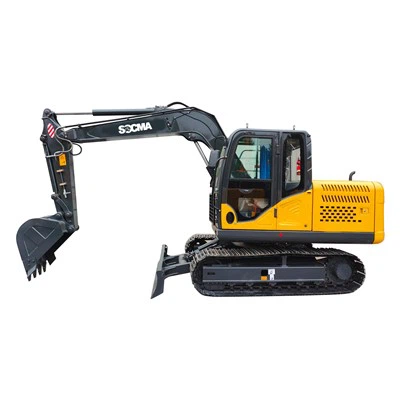
In conclusion, operating port machinery safely requires a multi – faceted approach. From pre – operation checks to emergency preparedness, every aspect plays a crucial role in ensuring the safety of operators and the smooth running of port operations. As a port machinery supplier, we are committed to promoting safety through providing high – quality machinery, comprehensive training programs, and continuous technical support.
Diesel Heavy Duty Forklift If you are in the market for port machinery or looking to improve the safety of your existing operations, we are here to help. Our experienced team can provide customized solutions based on your specific needs. Reach out to us to start a procurement discussion and take the first step towards a safer and more efficient port operation.
References
- "Safety Standards for Port Equipment", International Maritime Organization
- "Port Machinery Operation Manuals", Industry – specific Publications
- "Best Practices in Port Safety Management", Port Management Associations
Fujian SOCMA Machinery Manufacture Co., Ltd.
Fujian SOCMA Machinery Manufacture Co., Ltd. is one of the most professional port machinery manufacturers and suppliers in China. We warmly welcome you to buy customized port machinery made in China here from our factory. If you have any enquiry about cooperation, please feel free to email us.
Address: Taiwanese Investment Area, Quanzhou, Fujian, China
E-mail: marketing@socmamarketing.com
WebSite: https://www.socma-forklift.com/
