If you’ve ever spent any time around a long-haul truck, you know a tractor truck isn’t just a vehicle—it’s the backbone of businesses that move goods across continents, the tool that keeps supply chains running, and the investment that makes or breaks your bottom line. As a tractor truck supplier, I’ve spent the last 12 years working hand-in-hand with owner-operators, small fleet managers, and logistics teams, and one question comes up more than any other: “How do I keep my truck on the road, not in the repair shop?” Tractor Truck

I get it. When you’re pulling a 80,000-pound load through mountain passes or logging 1,500 miles in 24 hours, every minute out of service costs you money. Cutting corners on maintenance might seem like a quick win on a tight month, but I’ve seen first-hand how that leads to catastrophic breakdowns, costly roadside repairs, and months of lost revenue. Over the years, I’ve developed a maintenance routine that’s worked for hundreds of my customers, and today I’m sharing it.
First, let’s start with the basics: you can’t maintain what you don’t check consistently. I tell every new customer that a pre-trip inspection isn’t just a DOT requirement—it’s your first line of defense. Most of us have a go-around we do every morning, but I’ve learned that breaking that inspection into six specific zones keeps you from missing small issues before they become big ones.
The first zone is the chassis and tires. Tires are the only part of your truck that touches the road, and underinflated or worn tires are the number one cause of unexpected blowouts, poor fuel efficiency, and even rollovers. I check tire pressure every single morning, before I turn the key, when the tires are cold—because pressure rises as they heat up while driving, and hot readings can trick you into thinking they’re properly inflated. I use a high-quality digital gauge, not the cheap ones at gas stations that are usually off by 5 to 10 PSI. I also check tread depth with a penny: if Lincoln’s head is visible when I stick it into the tread, it’s time for new tires. And don’t forget the tires on the trailer, either—blowing a trailer tire on the interstate is just as bad as blowing a drive tire on your tractor. Next, I look at the chassis itself, checking for loose bolts around the wheel hubs, rust spots that could weaken frame rails, and any signs of fluid leaks. A small oil leak today can turn into a seized engine tomorrow.
The second zone is the engine, which is the heart of your tractor. I do a quick check of the oil, coolant, and fuel levels every morning before I leave. Oil is the lifeblood of the engine, so I follow the manufacturer’s exact change interval—not the “every 10,000 miles” that some old-school truckers swear by. Modern diesel engines in today’s tractors can go 25,000 to 30,000 miles between oil changes, but only if you’re using the right grade of oil. I recommend the heavy-duty synthetic oil that most manufacturers specify—it costs a little more upfront, but it reduces engine wear and extends the life of your oil filter. Coolant is just as important: I use a 50/50 mix of coolant and distilled water, never plain water, because plain water can freeze in winter and boil in summer, both of which crack engine blocks. And I check the coolant level when the engine is cold, because opening a hot radiator can cause scalding.
Moving on to the third zone: the brakes. Brakes aren’t something you want to test once you’re going downhill with a full load. I check the slack adjusters on the drive axles every week to make sure they’re within the manufacturer’s specified range—too much slack means your brakes aren’t engaging properly, which leads to longer stopping distances and premature wear. I also inspect the brake pads, shoes, and air lines for cracks or fraying, because a ruptured air line can cause your brakes to fail suddenly. For long-haul drivers, I also recommend a brake inspection every 20,000 miles, because heavy loads and stop-and-go driving put extra stress on the braking system.
Now, here’s the part most people skip: the electrical and auxiliary systems. In today’s tractors, you’ve got GPS, refrigerators, inverters, LED lights, and all kinds of other amenities that keep you comfortable on the road, plus the critical lights and signals you need to stay safe. I check all exterior lights—headlights, taillights, turn signals, brake lights, and clearance lights—every time I stop for fuel, because a burned-out taillight can get you a $500 DOT ticket, and it’s a safety hazard for everyone around you. I also test the battery terminals to make sure they’re tight and free of corrosion, because a dead battery at a truck stop in the middle of nowhere is a nightmare. Most modern tractors have AGM batteries that last 3 to 5 years, but I keep a terminal cleaner and a wrench in my toolbox just in case, and I test the battery’s cold cranking capacity every fall before winter hits.
The fourth zone is the transmission and drivetrain. This is the part that transfers power from the engine to the wheels, so keeping it in good shape is non-negotiable. I change the transmission fluid and filter every 50,000 miles, or sooner if I’m pulling heavy loads regularly. I also inspect the driveshaft every time I rotate tires to make sure the universal joints are lubricated and free of play—worn universal joints can cause vibrations while driving, which can damage other parts of the drivetrain over time. For automatic transmissions, I follow the manufacturer’s specific maintenance schedule; manual transmissions usually have longer intervals, but you should still check the fluid level monthly.
The fifth zone is the cabin and frame, which is where you spend most of your time on long hauls. This might seem less critical than the engine or brakes, but a broken A/C in the desert or a faulty heater in the Rockies can make a trip miserable, and a rusted frame rail can become a safety hazard. I inspect the cabin seals every few months to keep out dust, water, and noise, and I test all the auxiliary systems: the A/C, heater, inverter, and even the cup holders (yes, those matter when you’re driving for 10 hours). I also check the frame for rust and cracks regularly, especially if I’m driving in areas with salted roads in winter—rust is the silent killer of tractor frames, and once a frame rail is cracked, it’s a big, expensive repair.
Now, let’s talk about schedule-based maintenance, not just the pre-trip checks. I’ve found that a combination of daily, weekly, and scheduled maintenance works best, rather than waiting for something to break. I always recommend keeping a detailed maintenance log, either on your phone or in a physical notebook, because it helps you track when you did oil changes, brake inspections, tire rotations, and other work. This is especially helpful if you sell your truck someday, because a well-documented maintenance history increases resale value.
For daily tasks: pre-trip inspection, as I mentioned, plus checking fluid levels and tire pressure. For weekly tasks: checking brake slack adjusters, inspecting air lines, and testing all lights. For monthly tasks: battery test, inspecting the frame for rust, checking for fluid leaks, and lubricating the universal joints and other moving parts. For scheduled maintenance, I follow the manufacturer’s recommended interval, which usually breaks down into 10,000, 25,000, 50,000, and 100,000 mile service points. At the 10,000 mile mark, I do a basic oil change, tire rotation, and brake inspection. At 25,000 miles, I also replace the air filter and fuel filter—clogged filters reduce engine power and fuel efficiency, so don’t skip those. At 50,000 miles, I change the transmission fluid and differential fluid, and inspect the cooling system for leaks. At 100,000 miles, I usually recommend a full engine inspection, including checking the cylinder compression and valve adjustment, because this is when engine parts start to wear out more significantly.
I also have a few emergency maintenance tips that I’ve learned over the years. Always keep a well-stocked toolbox in your truck, including a tire iron, jack, spare tire, jumper cables, and basic hand tools. Keep a supply of essential fluids: extra oil, coolant, brake fluid, and windshield washer fluid. I also recommend keeping a tire repair kit for small punctures, because changing a tire on the side of the highway at night is the last thing you want to do. If you do have a breakdown, don’t try to fix something you’re not qualified to repair—call a professional, because a wrong repair can make the problem worse and more expensive.
As a tractor truck supplier, I see the direct impact of good maintenance every day. Customers who stick to a consistent routine have fewer breakdowns, lower repair costs, and higher fuel efficiency—saving them thousands of dollars a year. The best part? Most of these maintenance tasks are simple, don’t take a lot of time, and don’t require a mechanic’s license. The key is to make maintenance a habit, not an afterthought. When you take care of your tractor, it will take care of you, keeping you on the road, meeting your delivery deadlines, and growing your business.
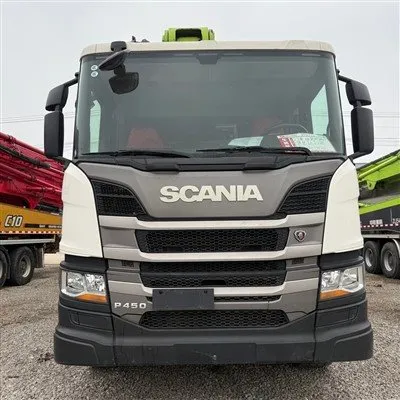
If you’re looking for a reliable new or used tractor truck, or if you have questions about maintenance routines specific to your model, our team is here to help. We’ve worked with thousands of truck owners over the years, and we can help you find the right vehicle for your needs, plus share tailored maintenance tips to keep it running for years to come. Reach out to our team today to discuss your requirements, and let’s get you on the road with a tractor that works as hard as you do.
Flatbed Trailer References
- American Trucking Associations. (2022). Heavy-Duty Truck Maintenance Best Practices. ATA Technology & Maintenance Council.
- Volvo Trucks North America. (2023). Owner-Operator Maintenance Guide for Long-Haul Tractors.
- International Council on Clean Transportation. (2021). Fuel Efficiency Impacts of Proper Truck Maintenance Practices. ICCT Working Paper.
- Federal Motor Carrier Safety Administration. (2022). Commercial Vehicle Pre-Trip Inspection Requirements and Safety Recommendations.
Shandong Huayuanda Automobile Manufacturing Co., Ltd.
As one of the most experienced tractor truck manufacturers and suppliers in China, our products have good reputation in the market. We warmly welcome you to buy high quality tractor truck at low price from our factory. If you have any enquiry about cooperation, please feel free to email us.
Address: Industrial Park, Quanpu Town, Liangshan County, Jining City, Shandong Province
E-mail: Huayuanda2024@163.com
WebSite: https://www.hydtrailer.com/
