If you’ve ever had to troubleshoot a tripped outlet in your home or replace a broken electrical component, you’ve probably wondered: what’s the actual difference between a fuse and a circuit breaker? As someone who’s spent the last 12 years supplying circuit breakers to electricians, contractors, and even residential homeowners across the U.S., I get this question all the time — and it’s one that doesn’t get talked about enough beyond basic YouTube tutorials. The line between these two electrical safety staples is thinner than you might think, but the consequences of mixing them up? That’s where things get risky, expensive, and even dangerous. Let’s break this down like I would with a regular customer who’s not a licensed electrician — no overly technical jargon, just real, practical answers based on what I’ve seen in the field every single day. Circuit Breakers
First, let’s start with the core job both of these do, because at the end of the day, they’re not that different at their root: both are safety devices designed to stop excess electrical current from flowing through your home or business’s wiring. Electrical current is like water through a pipe, right? If the pipe gets too much pressure, it bursts. Same with wires — too much current (usually from a short circuit, overloaded outlets, or a faulty appliance) heats up the wire insulation. Over time, that heat can melt the insulation, cause a fire, or even give someone a lethal electric shock. So fuses and circuit breakers are both the first line of defense against that kind of damage. But the way they do their jobs? Night and day.
Let’s start with fuses, since they’re the older, more traditional option. Fuses have been around for well over a century — I remember my dad replacing fuses in our old 1950s farmhouse when I was a kid, and that’s still the setup in a lot of older homes and small commercial buildings. A standard screw-in fuse has two main parts: a ceramic or glass outer casing, and a thin metal strip (called a fuse element) inside that’s rated for a specific amount of current — usually 15, 20, or 30 amps, depending on the circuit it’s protecting. Here’s how it works: if current on that circuit goes above the rated amount for even a split second, that thin metal strip gets hot enough to melt (or “blow”), which breaks the circuit completely and stops the excess current. That’s the fail-safe. Once a fuse blows, it’s done — it’s a one-time use device. You can’t fix it; you have to unscrew it and replace it with an identical fuse, rated for the exact same amps. I’ve had customers tell me they grabbed a 30-amp fuse because it fit, not realizing the circuit was only rated for 15 amps — that’s a huge mistake. The 30-amp fuse wouldn’t blow during an overload, so the wires would overheat and start a fire before the fuse had a chance to trigger. That’s why I always drill it into every customer I work with: never swap a fuse for one with a higher amp rating than the circuit’s maximum. Even if it seems like it works.
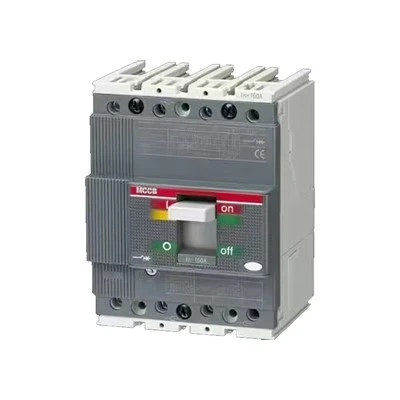
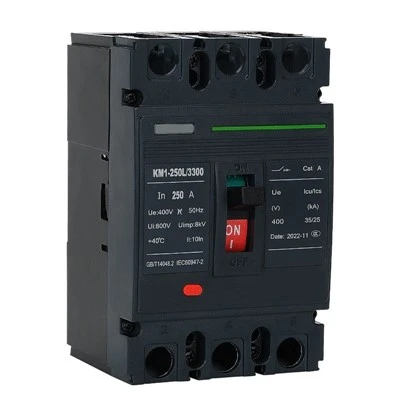
Now, circuit breakers — the device my company specializes in — are often pitched as the “modern, better alternative” to fuses, and there’s a reason for that. Instead of a thin metal strip that melts permanently, a circuit breaker uses a spring-loaded tripping mechanism. Inside every circuit breaker, there’s a small metal strip (called a bimetallic strip) that bends when it gets hot from excess current, plus an electromagnetic coil that triggers a trip if there’s a sudden, massive spike of current (like when a hair dryer falls into a sink full of water and causes a short circuit). That tripping mechanism doesn’t break the circuit permanently — it just flips a switch to the “off” position. When that happens, you don’t have to pull out a whole old fuse and hunt for a replacement; you just walk over to your electrical panel, find the breaker that’s flipped to the middle “tripped” position, and flip it back on. It’s reusable, which saves time, money, and that annoying trip to the hardware store at 8 p.m. when your kitchen outlets stop working.
But here’s the part most people don’t talk about: the similarities go deeper than the core job, but the tradeoffs are real, depending on what you need. Let’s start with use cases. Fuses are still the go-to in a lot of older homes, recreational vehicles, boats, and small, low-budget electrical setups — parts of the world where circuit breaker panels might be too expensive or hard to source (though that’s less common in the U.S.). They’re also simpler in design, which makes them cheaper to manufacture and replace, for the most part. But their biggest downside is that they waste downtime when they blow. If you have a circuit with a bunch of old lights, and a fuse blows because you plugged too many string lights into one outlet, you have to go get a replacement, test that the new one works, and make sure you didn’t put the wrong amp in. Circuit breakers, on the other hand, are standard in almost all new home construction now, because building codes have shifted to prioritize them for their convenience, and they’re safer for consistent, daily use. But they’re not perfect, either. A circuit breaker can trip for something small — like a bad toaster — and sometimes it can “wear out” over time, where it stops working properly. I’ve had a customer come to us with a circuit breaker that wouldn’t trip during a test, even though it was 10 years old — that’s a problem, because if it doesn’t trip when it’s supposed to, it’s not protecting the wiring. Fuses, when they’re the right rating, work every time they blow, because the metal element is a fixed component that breaks when current is too high. No wear and tear, really — they just blow, and you replace them.
Wait, let’s talk about that “trip” vs “blow” thing, because I see people mix those terms up all the time. When a circuit breaker stops a current surge, we call that “tripping.” When a fuse stops a surge, we call that “blowing.” Same basic action, different names, but it’s a small detail that matters if you’re talking to an electrician. And both are sized the same way — by amperage. A 15-amp circuit breaker is meant for lights and small electronics, a 20-amp for outlets in kitchens and bathrooms, a 30-amp for clothes dryers or electric stoves. That rating has to match the wire size in the circuit too, by the way — that’s a whole separate discussion, but it’s why you should never swap either device for something with a higher amp than the wire is rated for.
Another key difference: how they handle different types of overcurrent. There are two main types of excess current: overloads, which are gradual, like running too many devices on one outlet, and short circuits, which are sudden, massive surges, like a wire fraying and touching itself. Fuses are very consistent at handling sudden short circuits, because the metal element melts so fast. Circuit breakers can handle both, but some take a split second longer to trip, which is why you want a circuit breaker rated for the exact type of load you’re running. For example, a motor for a garage door needs a circuit breaker designed for inductive loads, not a standard one, because motors draw a big surge when they start up. That’s the kind of specific detail we help customers with every day at our company — not just selling a breaker, but helping them pick the right one for their setup, so it works when they need it to.
Now, let’s talk about maintenance, because that’s where I see most homeowners drop the ball. With a fuse, the only maintenance you need is making sure you have spares of the right amp on hand, and that you replace it immediately when it blows. If you ignore a blown fuse and just tape the screw in the panel, that’s exactly how fires start. With a circuit breaker, maintenance is a little more involved, but not by much. Every few years, a licensed electrician should inspect your electrical panel and test each breaker to make sure it trips when it’s supposed to. Breakers can get dirty or worn out from years of being flipped on and off, and if they don’t trip during an overload, you’re left unprotected. I’ve seen old homes with breaker panels that haven’t been inspected in 20 years — that’s a ticking time bomb, same as a home with old fuse boxes that have the wrong amp fuses.
Wait, let’s address a common myth I hear all the time: “Circuit breakers are always better than fuses.” That’s not entirely true. If you have a small, temporary setup, like a generator for a job site or a pop-up food stand, fuses might be cheaper and easier to replace. If you’re retrofitting an old home with a fuse box, swapping all the fuses for circuit breakers might be more expensive upfront, but it saves you so much hassle in the long run. For example, I had a customer last year who owned a 1940s cottage with a fuse box that kept blowing every time he ran his washing machine and dryer at the same time. He tried replacing fuses, but they kept blowing, and he had to run to the hardware store twice a week. We helped him find a compatible circuit breaker adapter that fit his existing fuse box, so he could keep the old panel and add circuit breakers — he only had to upgrade a few parts of his wiring, and now he never has to worry about blowing fuses again. That’s a win, but it’s not for everyone.
Another myth: “Fuses are less reliable because you have to replace them.” No, actually, when sized correctly, fuses are extremely reliable. I’ve had customers with boats that have had the same fuse in place for 20 years, and when a wire shorted, it blew exactly as it was supposed to, preventing damage to the boat’s engine. Circuit breakers are reliable too, but they have moving parts that can wear out. The key is matching the device to the job. If you need a one-time, low-cost protection for a small circuit, a fuse is fine. If you want convenience, reusability, and easier troubleshooting, a circuit breaker is the way to go.
Now, let’s tie this back to why this matters for anyone shopping for these devices, and why I’ve spent 12 years focused on circuit breakers specifically. When you’re putting in a new circuit, upgrading an old panel, or replacing a blown component, you’re not just buying a part — you’re buying protection for your home, your family, and your property. I’ve spoken to too many people who bought a cheap circuit breaker online that was the wrong amp, or a misrated fuse, and ended up with wiring damage or even a small fire. That’s why we don’t just sell circuit breakers — we help customers confirm the exact type, amp, and rating they need for their specific setup, whether it’s a residential kitchen, a commercial warehouse, or a recreational vehicle.
Let’s recap the key differences to make this simple, so you don’t have to Google it at 2 a.m. when the power goes out:
- Reusability: Fuses are single-use — they blow permanently and need replacement. Circuit breakers trip and reset, so they’re reusable.
- Operation: Fuses use a melting metal element to break the circuit. Circuit breakers use a spring-loaded tripping mechanism that flips a switch.
- Downtime: Blown fuses require a replacement run to the store. Tripped breakers just need a flip back on, saving time and hassle.
- Maintenance: Fuses only need spare replacements when they blow. Circuit breakers need periodic testing to make sure they function correctly over time.
- Use Cases: Fuses are common in older homes, RVs, boats, and low-budget setups. Circuit breakers are standard in new construction, modern renovations, and most daily-use electrical systems.
At the end of the day, neither device is “better” than the other — they’re just different tools for different jobs. The mistake people make is choosing the wrong one for their needs, or misrating it, which puts everyone at risk. If you’re working on an electrical project, and you’re not sure whether you need a fuse or a circuit breaker, or you’re not sure which circuit breaker is right for your panel, don’t guess. Reach out to a trusted supplier who knows the ins and outs of electrical safety, like the team here. We don’t just sell parts — we help you pick the right protection for your space, so you can have peace of mind that your wiring is safe, no matter what you plug in.
Whether you’re a licensed electrician working on a commercial project, a homeowner renovating your kitchen, or a boat owner upgrading your marine electrical system, choosing the right safety device is non-negotiable. Stop wasting time hunting for replacement fuses or stressing about a tripped breaker you can’t reset. Connect with us today to discuss your specific needs, and our team will help you find the perfect circuit breaker or compatible solution for your setup. Don’t take chances with electrical safety — work with a supplier that’s been in the game for years, knows the products inside and out, and prioritizes your peace of mind.
Circuit Breakers References:
- U.S. Consumer Product Safety Commission. Electrical Safety Basics for Homes.
- National Electrical Code (NEC) Article 240: Overcurrent Protection.
- Electrical Safety Foundation International. Fuses vs. Circuit Breakers: A Comparison for Homeowners.
- Underwriters Laboratories (UL). Standard for Safety for Low-Voltage Fuses and Circuit Breakers.
Wenzhou Lanen Electrical Co., Ltd.
Wenzhou Lanen Electrical Co., Ltd. is one of the most professional circuit breakers manufacturers and suppliers in China, also supports customized service with low price. Please feel free to buy CE approved circuit breakers made in China here from our factory. Contact us for more discount information.
Address: Zhiguang Liushi Town Yueqing City Wenzhou City Zhejiang Province
E-mail: lanen@luyele.cn
WebSite: https://www.lanenelectrical.com/
