If you’ve ever stood in front of your closet at 7 a.m. staring at two seemingly identical cotton button-downs, one crisp and tucked, the other slightly wrinkled and left untucked, you’ve probably wondered: What’s the actual line between casual wear and formal wear? As someone who’s spent the last 10 years sourcing and designing casual wear for retailers across North America and Europe, I’ve fielded this question from customers, small business owners, and even new staff at trade shows. It’s not just about “nice vs. not nice” – it’s a mix of functional design, unwritten social rules, and evolving cultural norms that shift faster than I can update my seasonal collection. Let’s break down the real differences, and why casual wear isn’t a “step down” from formal wear – it’s a whole category built for how most people actually live their lives. Casual Wear

First, let’s talk about core design intent, which is where the split starts. Formal wear is built for a very specific, often high-stakes purpose: signaling professionalism, respect, or adherence to a rigid set of social codes for events like job interviews, weddings, or board meetings. Think of a tailored wool suit jacket, a crisp white dress shirt with a starched collar, and dress pants with a precise hem. Every detail is intentional: the suit is structured to hold its shape through hours of sitting in a conference room, the shirt’s fabric is thick enough to resist sweat stains, and seams are reinforced to prevent tearing when you move just a little too fast. Even accessories are non-negotiable – a silk tie that’s knotted perfectly, leather dress shoes with no scuffs, a belt that matches the shoe’s exact shade. The goal here is consistency and invisibility: no one should notice your clothes, because they’re supposed to put the focus on you (or the occasion, like a wedding) instead of the garment itself.
Casual wear, on the other hand, is built for adaptability. It’s designed for the moments when your day isn’t structured around a single, rigid task: running after a kid, sitting on a park bench for 20 minutes, grabbing takeout with friends after work, or even working from a home desk where you might stand up to fold laundry mid-meeting. When I’m sourcing fabric for my casual wear line, I look for materials that stretch a little – not too much, just enough that a pair of pants doesn’t ride up when you bend over. Cotton blends that resist wrinkles, so you can stuff them in a gym bag and pull them out 10 minutes later without ironing. And pockets? Don’t even get me started on pockets. Formal wear has them, but they’re often tiny, designed only for a single pocket square or a slim wallet. Casual wear has pockets big enough to hold a phone, a pack of gum, and a portable charger – the stuff people actually carry around with them every day. That functional difference is the biggest one, and it’s something a lot of people mix up when they think casual is “less thought out.” It’s just thought out differently.
Next, let’s dive into fit – this is where a lot of the confusion happens. Formal wear fit is precise to a fault. A tailored suit jacket should skim your shoulders exactly, no pulling when you raise your arms, and the hem should hit right at your hip bone, no more, no less. Dress pants are hemmed to break just at the top of your shoe, so there’s a tiny fold of fabric when you stand. Shirts have a tailored taper at the waist, so they don’t bunch up when you tuck them in. Every measurement is calculated to create a sleek, uniform silhouette that signals you’ve put effort into your appearance – even if you didn’t wake up an hour early to adjust every seam.
Casual wear fit, meanwhile, is about comfort and personal expression. Sure, there are relaxed fits, slim fits, and oversized fits, but there’s no one “right” way to wear it. A pair of straight-leg jeans can hit at the ankle, the calf, or even the knee, depending on what you like. A hoodie can be slim enough that it fits under a jacket, or oversized enough that it looks like you borrowed it from your older sibling. Shirts can be tucked in or left untucked, hemmed or cropped, because the whole point is that the garment works with your day, not the other way around. I’ve had customers tell me they buy our casual knit shirts because they’re the only ones that fit their broad shoulders without being so tight around the waist that they can’t take a deep breath during a long workday. That’s not a flaw – that’s exactly what casual wear is supposed to do.
Then there’s the rule of context, which is probably the most flexible part of the difference, and the reason this topic feels so murky. Formal wear rules are pretty rigid, even if they’ve loosened a little over the last 20 years. Most people would agree that a black tie event calls for a tuxedo, not a pair of jeans, and a job interview for a corporate role usually requires a suit, not a graphic tee and sneakers. There’s not a lot of room for interpretation there because formal wear’s entire purpose is to signal that you understand the stakes of the moment.
Casual wear, though, is a chameleon. It can range from a worn-in pair of Levi’s and a plain white tee (the universal “I’m relaxed but put-together” look) to a pair of linen pants and a button-down worn open over a tank top, which is appropriate for a backyard barbecue but not for a wedding reception. The line here isn’t about the garment itself – it’s about how you style it and where you’re wearing it. That’s why so many people mix up casual and formal: a blazer is formal when paired with a dress shirt and trousers, but it’s casual when paired with jeans and a tee. The base category (the blazer) doesn’t change, but the context does.
I think a lot of the stigma around casual wear comes from an outdated idea that “dressing up” is a marker of respect. But over the last decade, especially post-pandemic, that’s shifted a lot. More workplaces are moving to “business casual,” which is a middle ground that blurs both lines: a tailored blazer paired with chinos (casual pants) and a leather sneaker (not a formal dress shoe). That’s not a mistake – it’s a reflection of how most people actually work now, where you might need to hop on a Zoom call and then run to a meeting across the building, or even run a quick errand during your lunch break. Casual wear isn’t about being lazy; it’s about being prepared for the unexpected.
As a casual wear supplier, I see this shift every season. Five years ago, most of our best-selling items were basic tees and hoodies. Now, we’re selling more structured knit shirts, versatile linen blends, and even casual blazers that work for both a weekend brunch and a client call. Customers aren’t buying casual wear because they don’t want to look nice – they’re buying it because they want to look nice without having to plan their outfit for 30 minutes every day. That’s a key distinction. Casual wear is not “less formal” – it’s “formally casual,” built for the messy, in-between moments that make up most of our lives.
Another area that often gets overlooked is material quality, though the definition of “quality” is different for each category. Formal wear materials are chosen for their structure and durability in formal settings: wool for suits because it holds its shape, silk for ties because it has a subtle sheen that looks polished, cotton-poly blends for dress shirts because they resist wrinkles. The cost is usually higher because these materials need to be tailored to exact measurements.
Casual wear materials, meanwhile, are chosen for longevity and comfort. We source organic cotton for our core tees because it’s soft, breathable, and gets better with every wash. We use stretch twill for our casual pants because it doesn’t tear when you kneel down to play with a dog or load a car. We use recycled polyester for some of our active casual pieces because it’s durable and kind to the planet. The quality here is about how the garment wears over time, not how it looks on a hanger. A well-made pair of casual jeans can last 5 years, getting softer and more personalized with every wear, while a well-made formal suit can last 10 years, holding its crisp shape for every special occasion. That’s not a difference in quality – it’s a difference in purpose.
So where does that leave us? The line between casual and formal wear isn’t a hard, set boundary. It’s a spectrum, built on what you need the garment to do, how it fits, what it’s made of, and where you’re wearing it. Formal wear has its place – I own a few suits for weddings and important events, and I’d never show up to a black tie function in a pair of jeans. But casual wear is equally important, because it’s the gear that gets us through most of our days: the tee you wear to the gym, the pants you wear to work from home, the hoodie you throw on for a movie night with friends.
At the end of the day, the best rule is this: wear whatever makes you feel confident and ready for your day. But if you’re looking to build a wardrobe that works for real life, casual wear is the foundation. It’s not a “step down” from formal wear – it’s a category designed for the way most of us actually live, and it’s only getting more versatile every year.
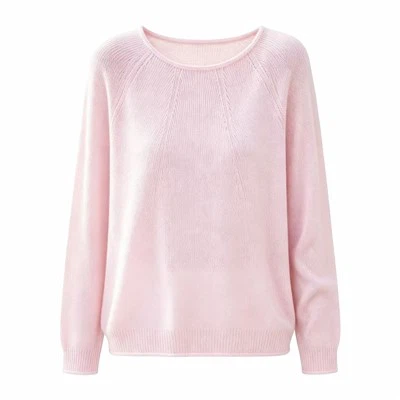
If you’re a retailer or business owner looking to add high-quality, adaptable casual wear to your line, we’d love to hear from you. Our team works with small boutiques and large chains alike, and we specialize in designing pieces that balance comfort, style, and durability for every customer. Don’t hesitate to reach out to start a conversation about how we can partner.
Down Jackets References
- "The Evolution of Dress Codes: From Formal to Casual and Back Again," Fashion Theory, vol. 22, no. 4, 2018, pp. 415-432.
- "Functional Clothing: Design for Modern Lifestyles," Textile Research Journal, vol. 90, no. 11-12, 2020, pp. 1245-1258.
- "Workplace Dress Codes and Cultural Shifts: 2010-2023," Journal of Fashion Marketing and Management, vol. 27, no. 2, 2023, pp. 189-205.
- "Casual Wear as Cultural Expression: Beyond Relaxed Fit," Clothing and Textiles Research Journal, vol. 38, no. 3, 2020, pp. 171-185.
Anhui Lida Garment Co., Ltd
We are one of the most experienced casual wear manufacturers and suppliers in China, specialized in providing high quality customized service to global clients. Please feel free to wholesale bulk high-end casual wear from our factory. Also, free sample is available.
Address: Intersection of Gulou North Street and Wei-3 Road, Chengguan Town, Shucheng County, Lu’an City, Anhui Province
E-mail: leaderclothing2026@163.com
WebSite: https://www.leader-clothing.com/
