As a supplier of Pressure Reducing Valves, I’ve seen firsthand the critical role these components play in pneumatic systems. Ensuring the proper operation of a Pressure Reducing Valve is not just about maintaining system efficiency; it’s about guaranteeing safety, reliability, and cost – effectiveness. In this blog, I’ll share some key insights on how to achieve this. Pressure Reducing Valve
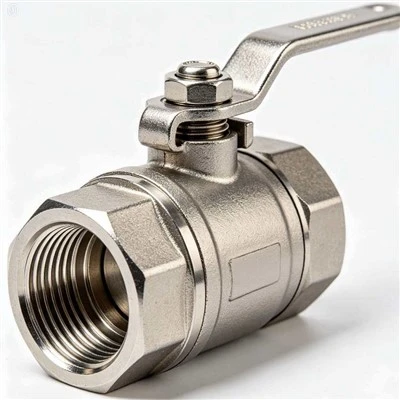
Understanding the Basics of Pressure Reducing Valves in Pneumatic Systems
Before delving into the ways to ensure proper operation, it’s essential to understand what a Pressure Reducing Valve does in a pneumatic system. A Pressure Reducing Valve is designed to regulate the pressure of compressed air or gas in a pneumatic system. It takes the high – pressure input from the source and reduces it to a lower, more stable pressure suitable for the specific requirements of the downstream equipment.
The basic principle behind a Pressure Reducing Valve involves a spring – loaded diaphragm or piston. When the inlet pressure exceeds the set pressure, the valve opens to allow more fluid to flow through, which in turn reduces the pressure. Conversely, when the pressure drops below the set value, the valve closes to maintain the desired pressure.
Selecting the Right Pressure Reducing Valve
The first step in ensuring proper operation is selecting the right valve for your pneumatic system. Here are some factors to consider:
Flow Rate
The flow rate of the valve should match the requirements of the pneumatic system. If the flow rate is too low, the downstream equipment may not receive enough air or gas, leading to poor performance. On the other hand, if the flow rate is too high, it can cause excessive wear on the valve and other components.
Pressure Range
The valve should be able to handle the inlet and outlet pressure ranges of the system. Make sure to choose a valve with a wide enough pressure range to accommodate any fluctuations in the system.
Type of Valve
There are different types of Pressure Reducing Valves, such as direct – acting and pilot – operated valves. Direct – acting valves are simple and suitable for low – flow applications, while pilot – operated valves are more complex but can handle higher flow rates and pressures.
Installation of Pressure Reducing Valves
Proper installation is crucial for the correct operation of a Pressure Reducing Valve. Here are some installation guidelines:
Mounting Position
The valve should be mounted in a vertical position with the inlet at the bottom and the outlet at the top. This ensures proper drainage of any condensate that may accumulate in the valve.
Piping
Use clean, smooth – bore piping to connect the valve to the system. Avoid sharp bends and restrictions in the piping, as they can cause pressure drops and turbulence.
Filter Installation
Install a filter upstream of the Pressure Reducing Valve to remove any dirt, debris, or moisture from the compressed air or gas. This helps to prevent damage to the valve and ensures its long – term performance.
Regular Maintenance of Pressure Reducing Valves
Regular maintenance is essential to keep the Pressure Reducing Valve in good working condition. Here are some maintenance tasks:
Inspection
Regularly inspect the valve for any signs of wear, damage, or leakage. Check the diaphragm, piston, and seals for any cracks or tears.
Cleaning
Clean the valve periodically to remove any dirt, debris, or contaminants. Use a mild detergent and a soft brush to clean the valve components.
Lubrication
Some Pressure Reducing Valves require lubrication to ensure smooth operation. Follow the manufacturer’s recommendations for lubrication intervals and the type of lubricant to use.
Pressure Adjustment
Periodically check and adjust the pressure setting of the valve to ensure it is within the desired range. Use a pressure gauge to measure the inlet and outlet pressures.
Troubleshooting Common Issues
Even with proper installation and maintenance, Pressure Reducing Valves may encounter some issues. Here are some common problems and their solutions:
Pressure Fluctuations
If the pressure is fluctuating, it could be due to a dirty filter, a worn diaphragm, or a problem with the spring. Clean or replace the filter, check the diaphragm for damage, and adjust or replace the spring if necessary.
Leakage
Leakage can occur at the valve seat, diaphragm, or seals. Check for any signs of leakage and replace the damaged components.
No Pressure Reduction
If the valve is not reducing the pressure, it could be due to a blocked valve, a faulty spring, or a problem with the adjustment mechanism. Clean the valve, check the spring, and adjust the pressure setting.
Monitoring and Control
Monitoring the performance of the Pressure Reducing Valve is an important part of ensuring its proper operation. Here are some monitoring and control methods:
Pressure Sensors
Install pressure sensors at the inlet and outlet of the valve to monitor the pressure. This allows you to detect any abnormal pressure changes and take corrective action.
Flow Meters
Use flow meters to measure the flow rate of the compressed air or gas. This helps to ensure that the valve is providing the correct flow rate for the system.
Automated Control Systems
Implement automated control systems to adjust the pressure setting of the valve based on the system requirements. This can improve the efficiency and reliability of the pneumatic system.
Training and Education
Proper training and education of the personnel responsible for the operation and maintenance of the Pressure Reducing Valve are essential. Make sure that the operators understand the working principle of the valve, the installation and maintenance procedures, and the troubleshooting methods.
Conclusion

Ensuring the proper operation of a Pressure Reducing Valve in a pneumatic system requires a combination of proper selection, installation, maintenance, troubleshooting, monitoring, and training. By following these guidelines, you can extend the lifespan of the valve, improve the performance of the pneumatic system, and reduce the risk of downtime and costly repairs.
Float Valve If you’re in the market for high – quality Pressure Reducing Valves or need further advice on ensuring their proper operation, I’d be more than happy to assist you. Feel free to reach out to discuss your specific requirements and explore how our products can meet your needs.
References
- Pneumatic System Handbook, various editions
- Manufacturer’s manuals for Pressure Reducing Valves
- Technical papers on pneumatic system components and operation
Shanxi Yuanhang Machinery Construction Industry and Trade Co., Ltd.
We’re well-known as one of the most experienced pressure reducing valve manufacturers in China. With a professional production team, we are able to meet the needs of the majority of our customers. Welcome to buy discount pressure reducing valve in stock here from our factory. Contact us for pricelist and free sample.
Address: Taiyuan City, Shanxi Province
E-mail: anzhiyuan@yhmadeinprc.com.cn
WebSite: https://www.yhmadeinprc.com/
