Can PPR Pipe Fittings Be Used in a Fire Sprinkler System?
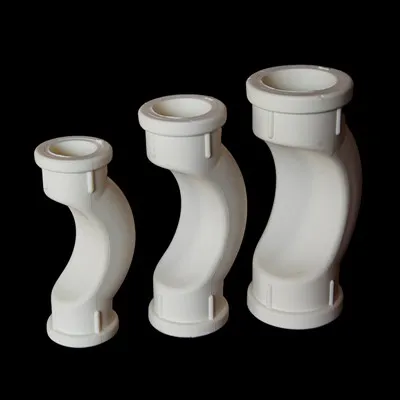
As a supplier of PPR (Polypropylene Random Copolymer) pipe fittings, I’m often asked whether these versatile components can be incorporated into fire sprinkler systems. It’s a question that requires a comprehensive understanding of fire safety standards, the properties of PPR materials, and the long – term performance requirements of sprinkler systems. PPR pipe fittings
The Basics of Fire Sprinkler Systems
Fire sprinkler systems are a crucial part of building safety. They are designed to detect and suppress fires at an early stage, minimizing property damage and protecting lives. These systems are typically divided into wet, dry, pre – action, and deluge types, each with its own set of operational requirements. Wet sprinkler systems, the most common type, are filled with water under pressure and are ready to discharge immediately when a fire activates the sprinkler heads.
Properties of PPR Pipe Fittings
PPR pipe fittings have several advantages that make them attractive in general plumbing applications. Firstly, PPR is a lightweight material, which makes it easy to handle during installation. This reduces labor costs and the physical strain on installers. Secondly, PPR has excellent corrosion resistance. Unlike metal pipes, it won’t rust or corrode over time, ensuring a long service life. It also has good chemical resistance, which means it can withstand a variety of substances that might be present in the water supply.
In addition, PPR pipes and fittings have smooth inner walls, which result in lower frictional resistance and better flow characteristics. This allows for efficient water distribution and can potentially reduce the energy consumption required to pump water through the system.
Compatibility with Fire Sprinkler Systems
However, when it comes to fire sprinkler systems, there are significant challenges to using PPR pipe fittings. One of the primary concerns is the heat resistance of PPR. Fire sprinkler systems need to maintain their integrity under high – temperature conditions. PPR has a relatively low melting point compared to materials commonly used in fire sprinkler systems, such as steel or copper. When exposed to the high temperatures of a fire, PPR can soften and deform, which may lead to leaks or even pipe failure.
Another critical aspect is the fire rating. Fire sprinkler systems are required to meet strict fire safety standards. Most PPR materials do not have the necessary fire – retardant properties to meet these standards. In a fire situation, PPR pipes and fittings could potentially contribute to the spread of the fire by melting, dripping, or releasing flammable gases.
Furthermore, the pressure requirements of fire sprinkler systems are often much higher than those of normal plumbing systems. PPR pipe fittings may not be able to withstand the high – pressure surges that occur when a sprinkler system is activated. This can lead to pipe bursts and a failure to deliver the required amount of water to suppress the fire.
Exceptions and Special Cases
Despite the general limitations, there may be some special circumstances where PPR pipe fittings could be considered for use in a fire sprinkler system. In low – risk environments, such as small, unoccupied storage areas with a very low probability of a large – scale fire, a well – engineered and properly protected PPR – based system might be an option. However, this would require a detailed risk assessment and approval from relevant fire safety authorities.
Some manufacturers are also researching and developing fire – retardant PPR materials. These new materials are designed to have improved heat resistance and fire – retardant properties, which could potentially make them more suitable for use in certain types of fire sprinkler systems. But as of now, these materials are not widely available, and their long – term performance in real – world fire situations remains to be fully tested.
Industry Standards and Regulations
The use of PPR pipe fittings in fire sprinkler systems is heavily regulated. Most national and international building codes and fire safety standards restrict or prohibit the use of PPR in fire sprinkler applications. For example, the National Fire Protection Association (NFPA) in the United States has strict guidelines regarding the materials that can be used in fire sprinkler systems. These regulations are in place to ensure the highest level of safety and reliability in fire protection.
Conclusion
In conclusion, while PPR pipe fittings have many advantages in general plumbing applications, their use in fire sprinkler systems is currently limited due to concerns related to heat resistance, fire rating, and pressure – bearing capacity. As a PPR pipe fittings supplier, I understand the appeal of finding cost – effective and lightweight solutions for all types of plumbing needs. However, when it comes to fire safety, we must prioritize the reliability and performance of the system.

That said, I’m always open to discussing new technological advancements and potential applications. If you have unique requirements or are involved in a project where the use of PPR in a fire – related system is being considered, I encourage you to reach out. Our team can work with you to explore the possibilities, conduct a thorough risk assessment, and determine if there are any viable solutions.
PPR Pipe Whether it’s for a standard plumbing project or a specialized application, our PPR pipe fittings offer high – quality, durable solutions. We are committed to providing the best products and services to meet your needs. If you’re interested in learning more about our PPR pipe fittings or have any questions regarding their potential use, please don’t hesitate to contact us for a procurement discussion.
References
- National Fire Protection Association (NFPA) standards related to fire sprinkler systems.
- Technical literature on the properties of PPR materials from leading manufacturers.
- Case studies on the performance of plumbing materials in fire situations.
Hebei Ruijie Pipe Industry Co., Ltd.
Address: Industrial Park, Shaozhuang Township, Suning County, Cangzhou City, Hebei Province
E-mail: 1987870474@qq.com
WebSite: https://www.rjpprpipe.com/
